
At their meeting (COP20) in Uzbekistan, the Parties to the Washington Convention on International Trade in Endangered Species of Wild Fauna and Flora (CITES) adopted comprehensive trade restrictions and bans to protect critically endangered animal and plant species. 74 species of shark and ray, 11 tree and plant species, 15 bird species and 14 reptile and amphibian species have received international protection or their protection has been strengthened. The COP also rejected weakening protection for a number of species. A particular achievement was greater protection for sharks and rays, the most endangered vertebrate class after amphibians. Germany was a strong supporter of these proposals. The ban on trade in ivory and rhinoceros horn remains in place. Around 3,000 delegates from 185 Parties, international organisations and NGOs participated in the conference from 24 November to 5 December. Germany pushed for urgently needed protection measures and strict sustainability controls for a range of endangered fauna and flora.
Federal Environment Minister Carsten Schneider remarked: “The COP took important decisions – decisions that are even vital to the survival of some species. With the new agreements, we are protecting endangered animals and plants before they are lost forever. The COP outcome was especially positive for many endangered shark species. The international community agreed on many points for curbing the overexploitation of nature. Now we must put these decisions into practice with better controls.”
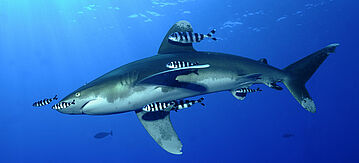
One focus of the COP was stricter protection for many commercially used marine species. With the new protections, more than 90 percent of the commercial shark fin trade is now subject to CITES sustainability controls or bans. The decision on gulper sharks, a group of deep-sea sharks, gives explicit protection to species primarily fished for their high-value shark liver oil. The enhanced protection for the oceanic whitetip shark is the COP’s first full ban on trade in a commercially fished shark species.
There were achievements for plant species as well, in particular protection for Indian myrrh, an endangered medicinal and aromatic plant. Its resin is used in incense products and nutritional supplements. Germany played a key role in drawing up the proposal for its better protection, which it submitted together with Pakistan. With this proposal, Germany was fulfilling its responsibility as one of the main target countries for trade in medicinal and aromatic plants.
Another successful result relates to the highly endangered national tree of Brazil, Paubrasilia echinata. Its wood, known as Brazilwood or pernambuco, is used to make high-quality bows for string instruments. The Parties agreed to strengthen protection for this seriously endangered species. However, to ensure international concert tours are not impeded, musicians and orchestras travelling internationally are exempt from the strict regulations.
Due to Germany’s significance as a destination and transit market for exotic pets, as at previous conferences, the German government advocated for species that are endangered by the pet trade. For example, the COP agreed to strengthen protection for Home’s hinge-backed tortoise.
The EU is also a destination for many amphibian species, and therefore has a particular responsibility towards these animals. Water frogs, which are also native to Germany, are used commercially in the frog-leg industry and consumed primarily in the EU. Placing water frogs under protection means trade in these animals will be under stricter control.
Germany is involved in a range of projects to support consistent implementation of the COP decisions, in close cooperation with the affected sectors and international partners. These include partnering with countries in Africa and Asia, improving sustainability reviews, developing digital applications that can be used worldwide and offering training programmes.
About the Convention on International Trade in Endangered Species of Wild Fauna and Flora
The Convention on International Trade in Endangered Species of Wild Fauna and Flora (CITES) was adopted in 1973 and now has 185 Parties. It currently covers around 6,610 animal and 34,310 plant species. Many wild fauna and flora are endangered primarily because of international trade. The precautionary principle is at the heart of CITES. Specimens or products of a species may only be traded if this is not detrimental to the survival of the species. The requirements for import and export permits, graduated according to the threat level of each species, are core instruments of CITES. The more endangered the species, the more stringent the trade restrictions. All commercial trade is generally prohibited for species threatened with extinction (CITES Appendix I). Species that are not yet threatened with extinction but are (potentially) endangered by trade may only be traded if this is not detrimental to the survival of the species (Appendix II).
CITES COP20 in Uzbekistan addressed a total of 51 proposals for amendment of Appendix I and Appendix II of the Convention, relating to restrictions on trade in species. The COP also considered well over 100 working documents that proposed decisions and resolutions for different areas of the Convention, including enforcement and implementation.
CITES COP21 will be held in Panama in 2028.